
6901 SW 14th Street, Des Moines, Iowa 50315
 DONATE
New to Zen?
DONATEThe reading list below is my response to the inquiry frequently posed by practitioners about suggested reading material. The books, sutras, and texts listed below are my personal, subjective response to that inquiry. I certainly do not, and cannot, speak for the whole tradition or for every teacher. Each teacher would likely come up with their own unique list. This list is not intended to be exhaustive and scholarly. It is intended for everyday practitioners. Nor does this list touch the vast library of Buddhist and Zen literature. It is simply my snapshot. It does also reflect a Japanese Soto Zen bias. The material below has helped guide my practice and life, so my hope is that if it helped (and continues to help) me, it can help others too. Everything below is applicable to newcomers and long-time practitioners as well.
Unless otherwise noted, all the books, sutras, and texts listed below can be found online or through bookstores. If there is something unique in the location of a text, it will be noted.
Eishin Tom Houghton
Head Priest & Guiding Teacher
The books in Part 1 are suggested to be read top down in sequential order. They start at ground level, build on each other, and are intended to establish a wholistic foundation of the Zen Buddhist tradition within the practitioner.
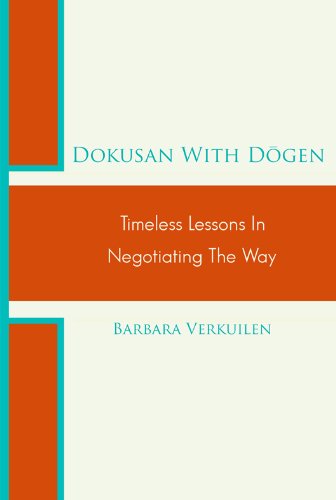
Title:
Dokusan With Dogen: Timeless Lessons In Negotiating The Way
Author:
Barbara Verkuilen
Brief Description:
The author, Renshin Barbara Verkuilen (passed away in 2024), co-founded, along with her husband Taizen Dale Verkuilen, the Midwest Soto Zen Community in Madison, Wisconsin. They both practiced directly with Dainin Katagiri Roshi.
The Japanese word “dokusan” refers to a one-on-one interview between teacher and student. Eihei Dogen was the great 13th century Japanese Zen master and founder of the Japanese Soto Zen school. The title of this book, Dokusan With Dogen, suggests a one-on-one interview with this great, ancient master. But don’t let the title intimidate you. This book is a gentle, yet profound teaching on spiritual practice that incorporates foundational Buddhism, teachings of Dogen and Katagiri, as well as Barbara’s own experiences and insights into a book that is understandable to newcomers and continually helpful to long-time practitioners.
The best place to purchase this book is through Firethroat Press, www.firethroatpress.com.
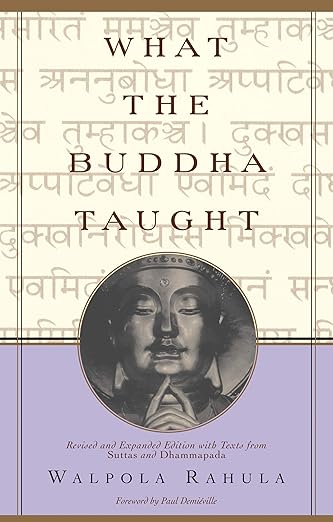
Title:
What The Buddha Taught
Author:
Walpola Rahula
Brief Description:
This book attempts to go all the way back to the Buddha himself and present the original teachings of the Buddha prior to Buddhism’s division into multiple varieties as it spread to other countries and cultures over the subsequent centuries.
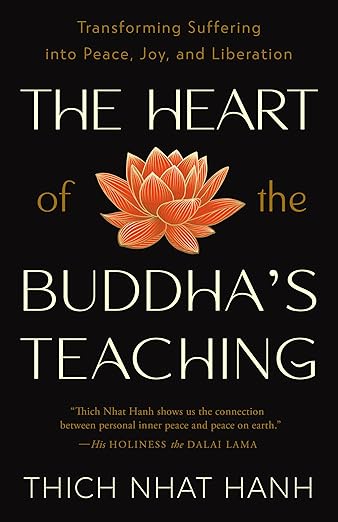
Title:
The Heart of the Buddha’s Teaching: Transforming Suffering into Peace, Joy, and Liberation
Author:
Thich Nhat Hanh
Brief Description:
Thich Nhat Hanh was a Vietnamese Zen monk and teacher. In Vietnamese, the word “Zen” is “Thien.” This book is a very comprehensive work covering the Buddha’s teachings from Thich Nhat Hanh’s perspective.
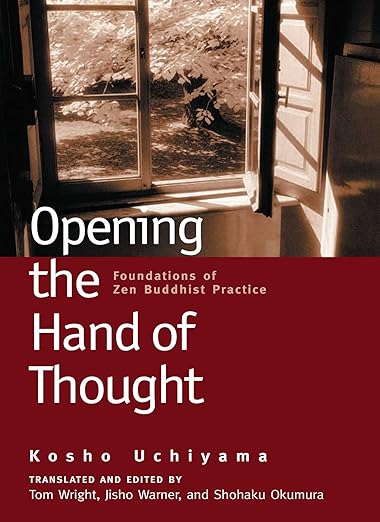
Title 1:
Opening the Hand of Thought: Foundations of Zen Buddhist Practice
Author:
Kosho Uchiyama
Brief Description:
Kosho Uchiyama Roshi was a Japanese Zen teacher who also had a background in Western philosophy and religion. He was a student of Kodo Sawaki Roshi (a.k.a. “Homeless Kodo”) and the teacher of Shohaku Okumura, a prominent teacher and translator bringing Zen to the West.
This is a great introduction to Zen and its practices. It also mixes in Western philosophy and religion and how this differs from or is the same as Zen. In general, it covers Uchiyama’s aspiration for all of us to “live out our whole self, our true self, the reality of life,” and the Zen practices to help us with that aspiration.
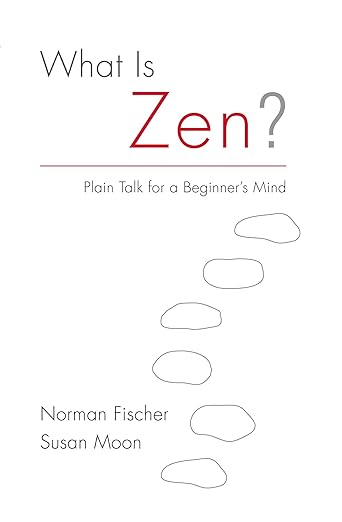
Title 2:
What Is Zen?: Plain Talk for a Beginner’s Mind
Authors:
Norman Fischer and Susan Moon
Brief Description:
This is a book from two Western Zen teachers. Both authors are from the San Francisco Zen Center. The book is in a question and answer format with Susan asking the questions and Norman providing the responses. Covering a wide range of topics, chapter titles include, “What’s the Point?,” “Zazen,” “Form and Ritual,” “Beliefs and Ethics,” and“Everyday Life and Everyday Relationships,” just to name a few.
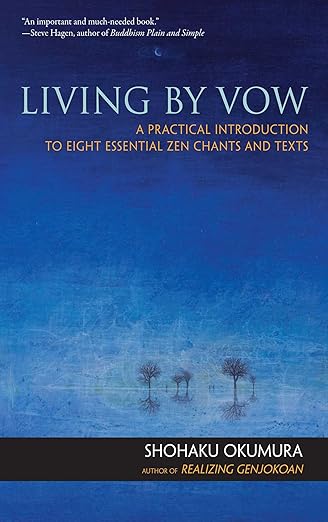
Title 3:
Living By Vow: A Practical Introduction To Eight Essential Zen Chants And Texts
Author:
Shohaku Okumura
Brief Description:
For this book, the suggestion is to read it once one has established a practice and has had experience chanting the texts used in Zen liturgical services. Okumura provides in-depth commentary on texts such as The Heart Sutra, The Bodhisattva Vows, The Verse of the Triple Treasure, just to name a few. The intent of reading this book is to deepen one’s understanding of what one is chanting.
The books, sutras, and texts in Part 2 contain some of the most well-known literature in Western Zen as well as some of the ancient texts most applicable to the Zen tradition. There is no suggested sequential reading order for the material in Part 2. The practitioner can pick and choose based on their interest. Most of the books in the first two sections below contain talks on various subjects given by the author/teacher which were later transcribed to create the books.
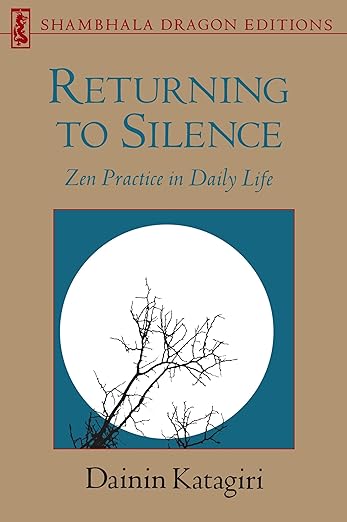
Title: Returning To Silence: Zen Practice in Daily Life
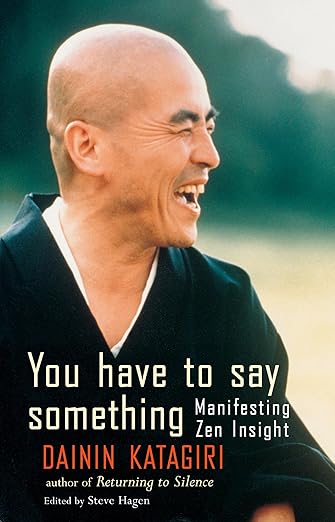
Title: You have to say something: Manifesting Zen Insight

Title: Each Moment Is the Universe: Zen And The Way Of Being Time
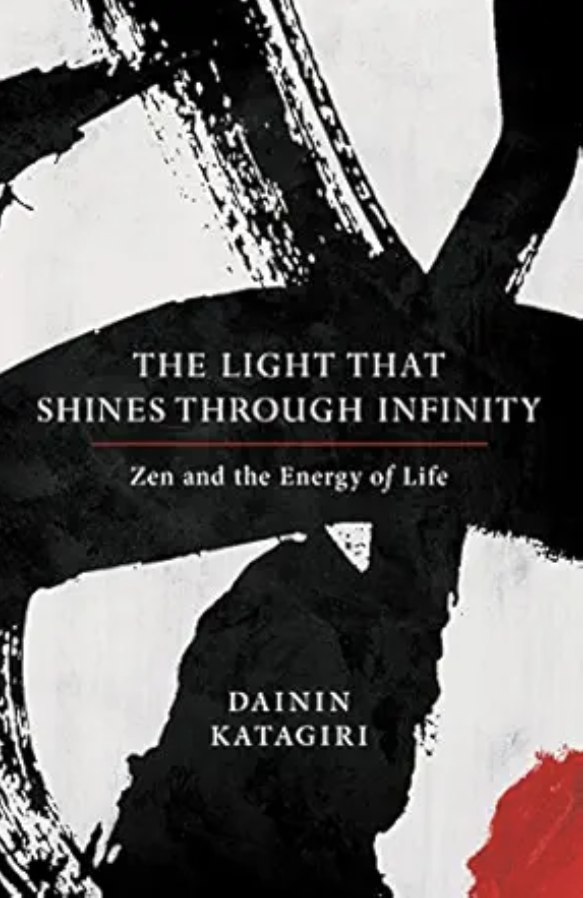
Title: The Light That Shines Through Infinity: Zen and the Energy of Life
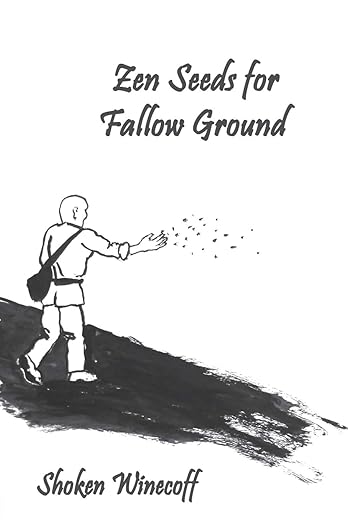
Title: Zen Seeds for Fallow Ground
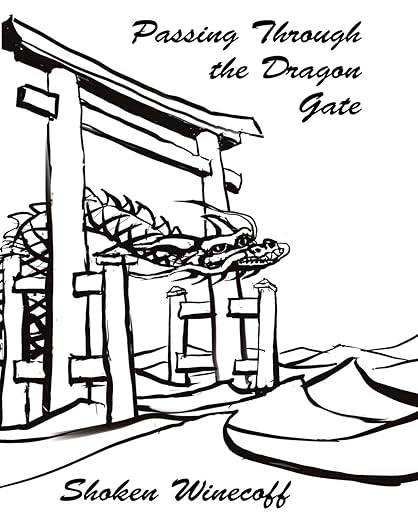
Title: Passing Through the Dragon Gate
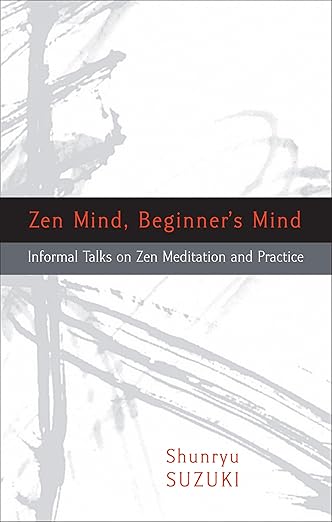
Title: Zen Mind, Beginner's Mind
Author:
Shunryu Suzuki Roshi
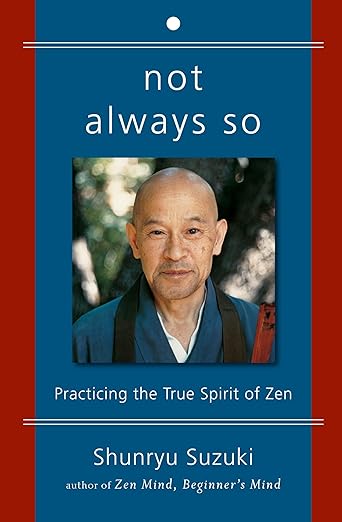
Title: not always so: Practicing the True Spirit of Zen
Author:
Shunryu Suzuki Roshi
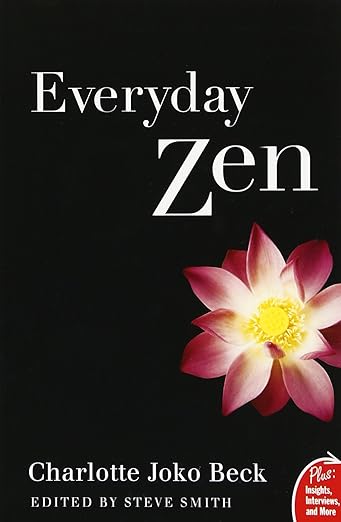
Title: Everyday Zen
Author: Charlotte Joko Beck
Title: Setting in Motion the Wheel of Dhamma (Dhamma Cakka Pavattana Sutta)
Title: The Foundations of Mindfulness (Satipatthana Sutta)
Title: Sutra on the Buddha’s Bequeathed Teaching (“Butsu-Yuikyo-gyo” in Japanese)
Title: Lankavatara Sutra
Title: Diamond Sutra (Vajracchedika Prajnaparamita Sutra)
Title: Platform Sutra
Title: Heart Sutra (Maha Prajna Paramita Hridaya Sutra)
The three collections of Zen koans:
Title: Shobogenzo (Treasury of the True Dharma Eye)
Author: Eihei Dogen Zenji
The Des Moines Zen Center is supported entirely by the generosity of its community. Our teachings, practice opportunities, and programs are offered freely and sustained through voluntary donations.
If you wish to support the ongoing work and practice of the Zen Center, you are invited to make a free-will offering. Donations may be given as a one-time gift or set up as a recurring offering. Please visit our Donation page or use the Donate button here to give securely by PayPal or debit/credit card.



.png)